



Although Bali is known for its endless holiday activities—beaches, waterfalls, adventures, and more—it would be a shame not to take a moment to explore what makes Bali, well, Bali!
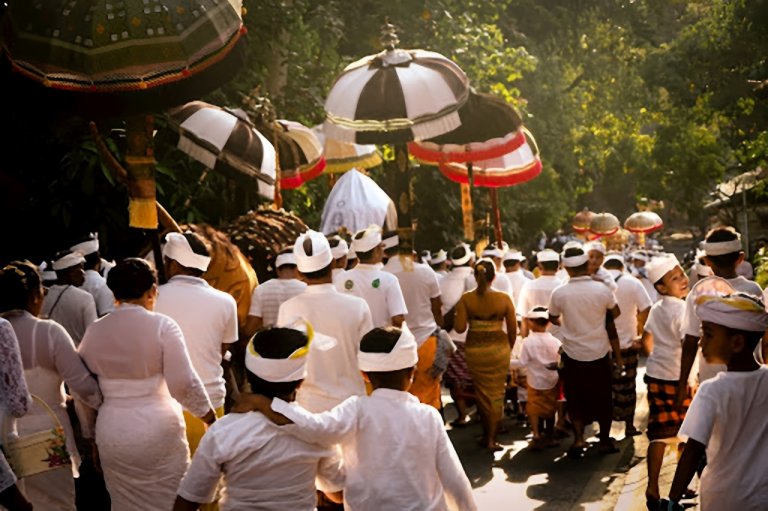
Bali is often called the “Island of the Gods,” and spirituality is a way of life here. Bali’s unique culture is rooted in its Hindu beliefs, emphasizing harmony between humans, nature, and the spiritual realm.
From the small daily offerings (canang sari) placed at every doorstep to the weekly ceremonies at both small and grand temples – everywhere you look, art and spirituality are actively weaved into daily life, making it an island unlike any other in Indonesia.
This guide is for families looking to go beyond the usual tourist spots and discover the cultural and spiritual essence that makes Bali so unique!
Must-Visit Temples and Their Spiritual Significance
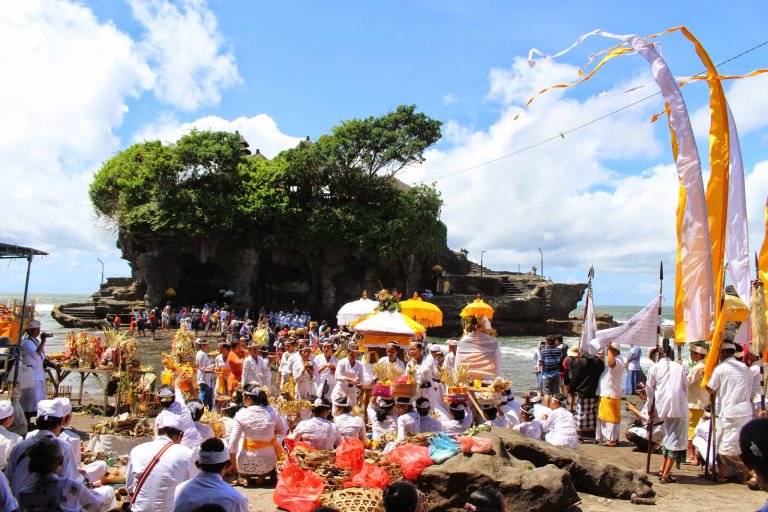
Bali is home to thousands of temples, each with its own story and purpose. Here are three must-visit temples and what makes them special:
Tanah Lot: Perched on a rocky outcrop surrounded by the sea, Tanah Lot is dedicated to sea deities and symbolizes the balance between land and ocean. Its breathtaking sunsets make it one of Bali’s most iconic landmarks.
Pro Tip: Check the tides before visiting, as the temple is only accessible at low tide. During high tide, it’s surrounded by water, making it appear as if it’s floating in the ocean.
You can plan to stay near Tanah Lot in our Outer Canggu villas to explore this iconic temple while enjoying Canggu’s vibrant mix of cafes and beaches.
Tirta Empul: This temple in Gianyar is famous for its holy spring, where locals and visitors alike participate in purification rituals. The waters are believed to cleanse the mind, body, and soul, offering a serene and spiritual experience.
Why Visit: A dip in the sacred pools is not only refreshing but also a deeply moving way to connect with Balinese traditions.
Besakih Temple: Known as Bali’s “Mother Temple,” Besakih is the largest and holiest temple on the island. Situated on the slopes of Mount Agung, it offers incredible views and a profound sense of peace.
Why Visit: This temple complex is a spiritual sanctuary where major ceremonies are held to honor the gods and protect Bali from misfortune.
Beyond the Temples – Bali Culture and Historical Places
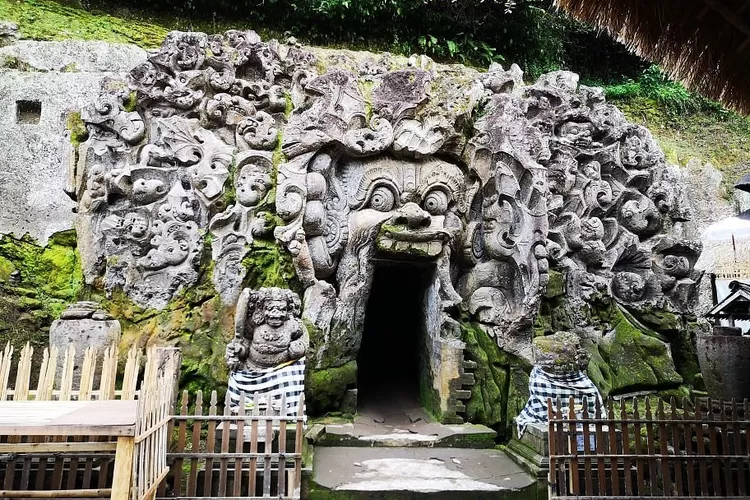
If you’re keen to explore Bali’s other sacred traditions, consider visiting:
Goa Gajah (Elephant Cave): This archaeological wonder offers a mix of history and spirituality. Kids will love exploring the mysterious carvings and hidden courtyards.
Gunung Kawi: These ancient rock-cut shrines in Tampaksiring are both stunning and serene. The walk through rice fields to reach the temple is an adventure in itself!
Bali’s Spiritual Festivals: Galungan and Nyepi
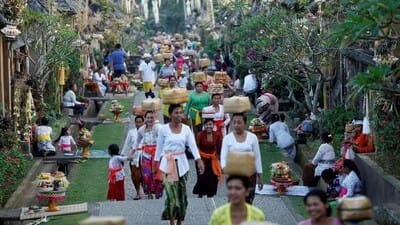
To truly experience Bali’s culture, plan your trip around one of its major Hindu holidays:
Galungan: This 10-day festival celebrates the victory of good over evil and marks the time when ancestral spirits return to Earth. You’ll see towering bamboo poles called penjor lining the streets, decorated with flowers, fruits, and offerings. It’s a beautiful and vibrant time to explore the island.
When: Happens every 210 days, following the Balinese calendar.
Nyepi (Day of Silence): This is Bali’s New Year, observed with 24 hours of complete silence. The night before, the streets come alive with fantastic Ogoh-Ogoh parades, where giant demon effigies are carried through villages across Bali.
When: March (dates vary each year).
Pro Tip: Plan to be in Bali the night before Nyepi to witness the incredible parades, but prepare for a day of reflection and quiet during the actual Day of Silence.
Balinese Dance: Stories in Movement
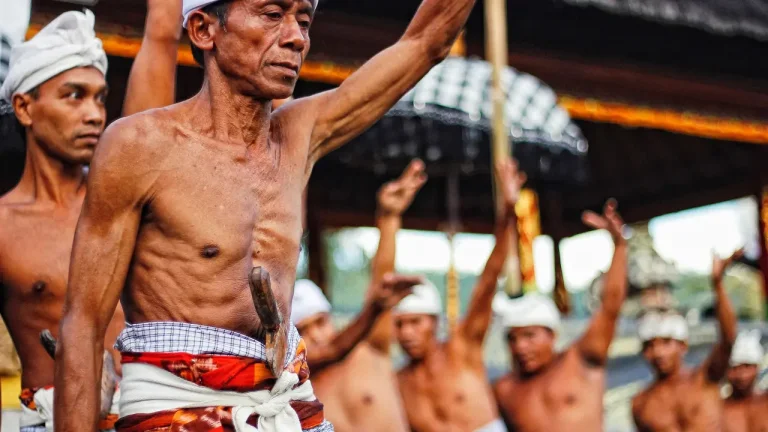
Dance is an essential part of Balinese culture, with each performance telling stories of gods, demons, and mythical tales. Here are three of the most popular dances and their meanings:
Kecak Dance: Known as the “Monkey Chant,” this hypnotic performance features a chorus of men chanting “cak” in unison as they reenact scenes from the Hindu epic Ramayana. Uluwatu Temple hosts one of the most legendary Kecak Dances during sunset. The combination of fire, chanting, and dramatic storytelling is unforgettable.
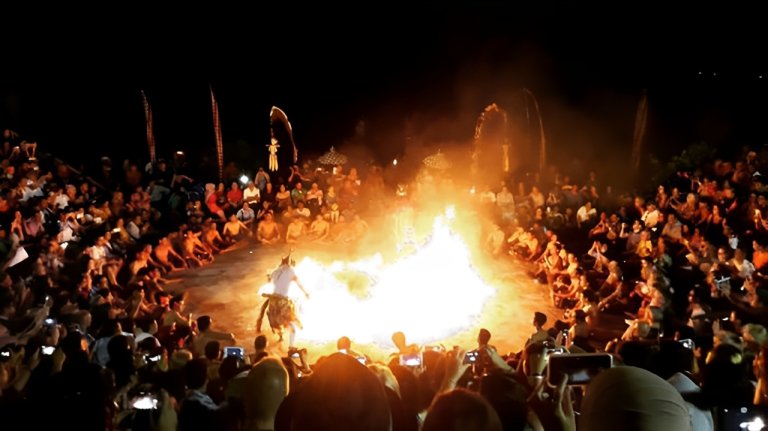
Families can stay nearby in one of our villas in Uluwatu to experience this unforgettable performance.
Legong Dance: This refined dance is performed by young girls adorned in intricate costumes and golden headdresses. With delicate movements and vibrant expressions, it depicts tales of romance and mythology, making it one of Bali’s most elegant cultural performances.
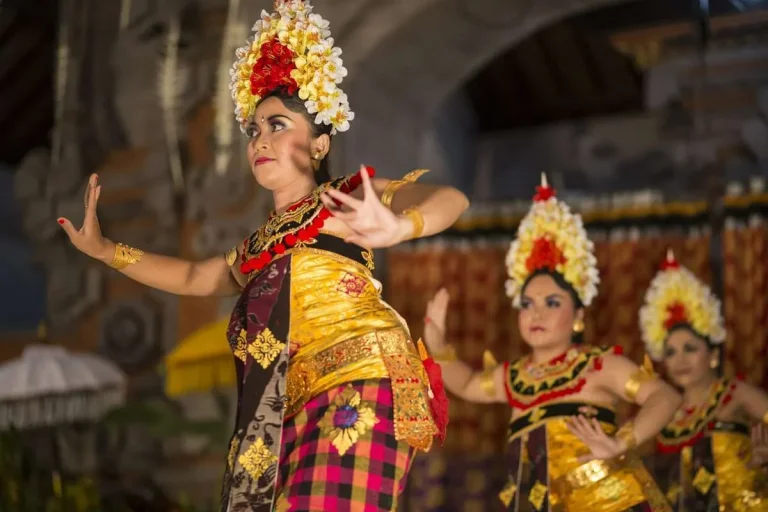
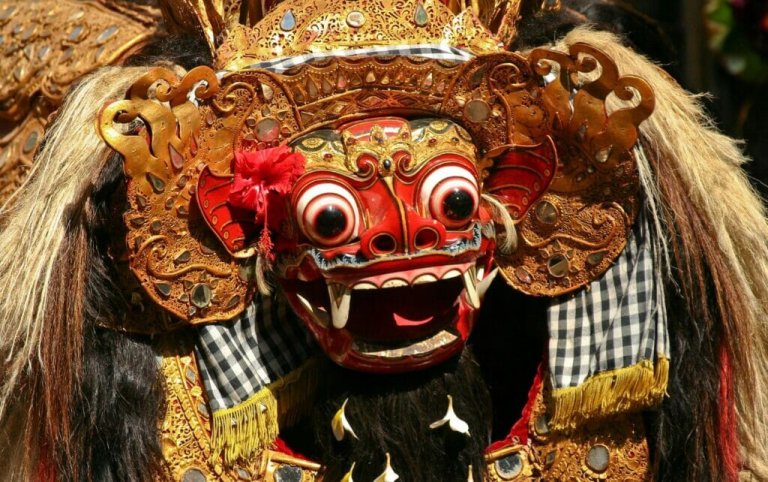
Barong Dance: Representing the eternal battle between good and evil, this dance features the mythical Barong (a lion-like creature) and Rangda (a witch). It’s deeply spiritual, symbolizing the protective energy that Balinese people believe guards their villages and homes.
Most dances are accompanied by a gamelan orchestra, a traditional Balinese ensemble of percussion instruments. The gamelan’s melodic rhythms are more than music – they’re believed to connect performers and audiences to the spiritual realm, adding a deeper layer of meaning to each performance!
Why Ubud is the Perfect Place to Stay – Bali Historical Places in One Area
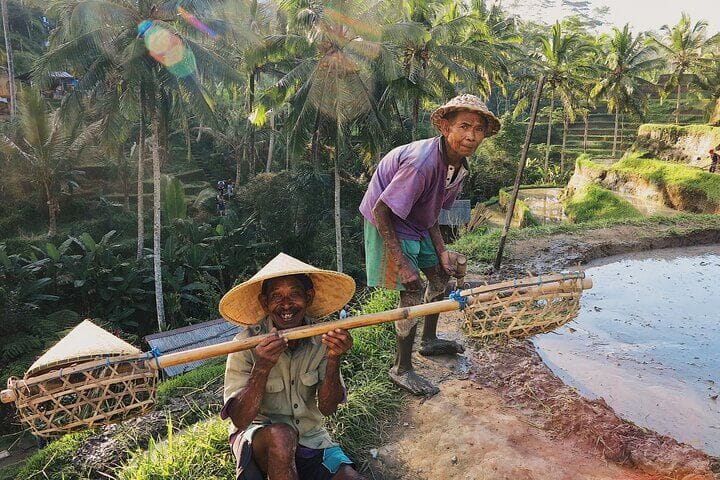
If you’re looking to truly immerse yourself in Bali’s spirituality, history, and culture, we highly encourage staying in Ubud!
Ubud was historically a royal center, with Balinese kings and their courts residing in the area. They were major patrons of the arts, supporting dance, music, and crafts, which helped Ubud flourish as a cultural capital. Ubud is also home to many temples, spiritual healers, and ceremonial activities, keeping Bali’s Hindu traditions alive. It’s a place where you can experience authentic rituals and community-based culture.
The villages around Ubud, like Celuk (silver), Mas (wood carving), and Batubulan (stone sculpture), are renowned for their artisanal crafts, making Ubud the center for Balinese artistry. You can get grandma to try a silver jewelry making class, or let the kids do a mini-gamelan music workshop. We’ve got a whole post about family fun in Ubud, be sure to check it out!
Staying in Ubud means being close to Bali’s cultural and spiritual gems while enjoying a family-friendly environment. Does Ubud sound right for you? If yes, we’ve curated some incredible villa options for families in Ubud here.
Tips for Exploring Bali Spirituality & Culture with Kids
- Dress respectfully: Cover shoulders and knees when visiting temples. Sarongs are often provided at temple entrances, but it’s a good idea to always have a few on hand!
- Stay nearby: Opt for accommodations in Ubud or Tanah Lot to be close to cultural hubs and spiritual landmarks.
- Involve the kids: Look for family-friendly workshops where children can try their hand at making offerings, painting batik, or learning Balinese dance.
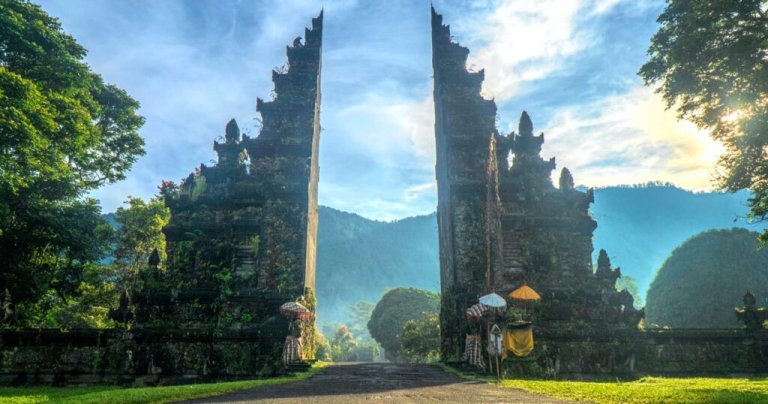
Indonesia’s history reveals a time when Hinduism flourished across the archipelago, but nowhere is it as alive today as it is in Bali. Bali’s ancient culture and spirituality are at the core of the island’s identity, blending art, tradition, and harmony in a way you won’t find anywhere else in the world.
This island offers families a chance to connect with something deeper, whether through its centuries old temples, mesmerizing dances, or spiritual traditions.
We’ve been here in Bali a long time and genuinely want every family to have the most incredible experience on this magical island! If you’ve got questions, don’t hesitate to email us, reach out via our website’s homepage, or even follow our Instagram and send a DM.
We’re here to help you plan the very best stay to suit your family’s needs, from Bali’s spiritual experiences and beyond! See our cultural Faily Facts Page here. https://staging.balifamilyvillas.com/cultural-family-facts/